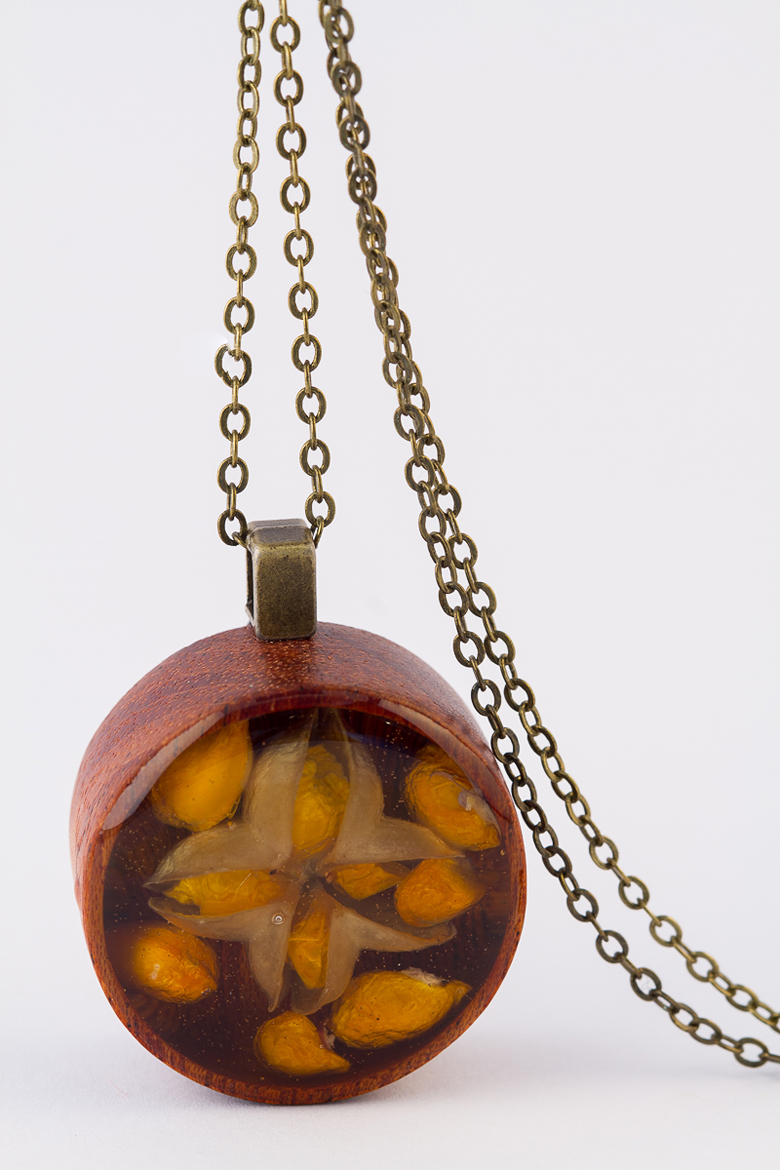
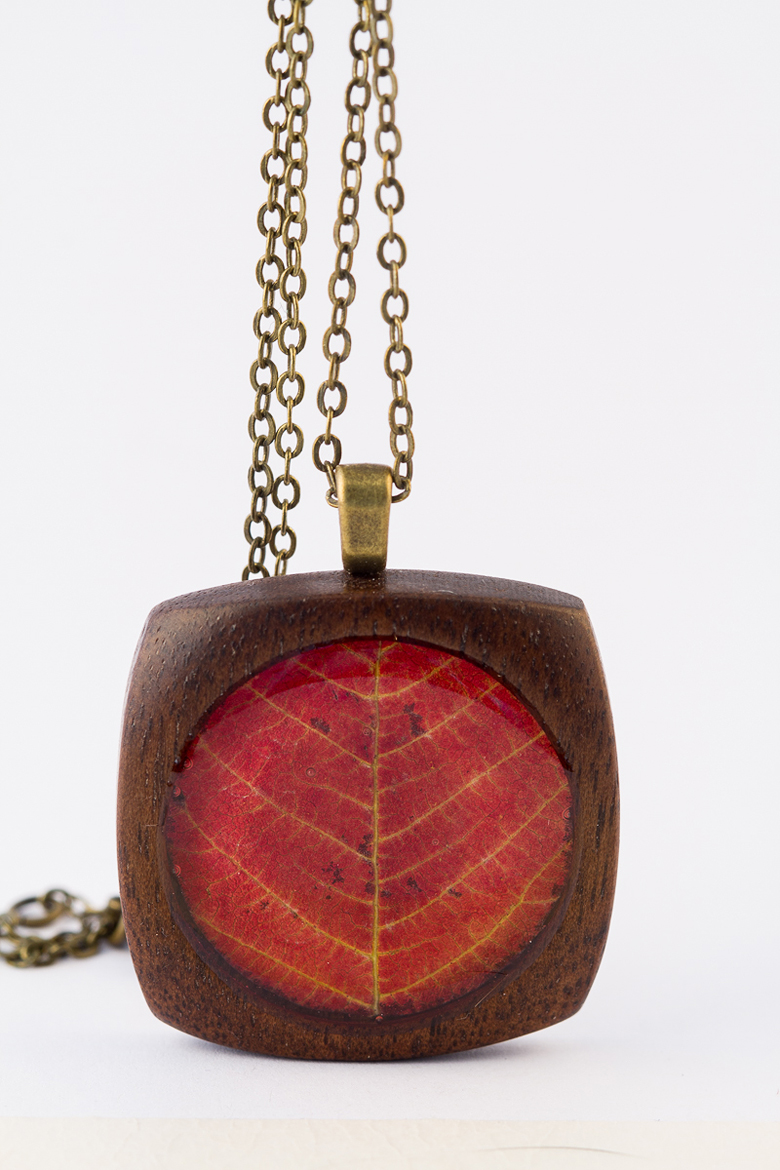
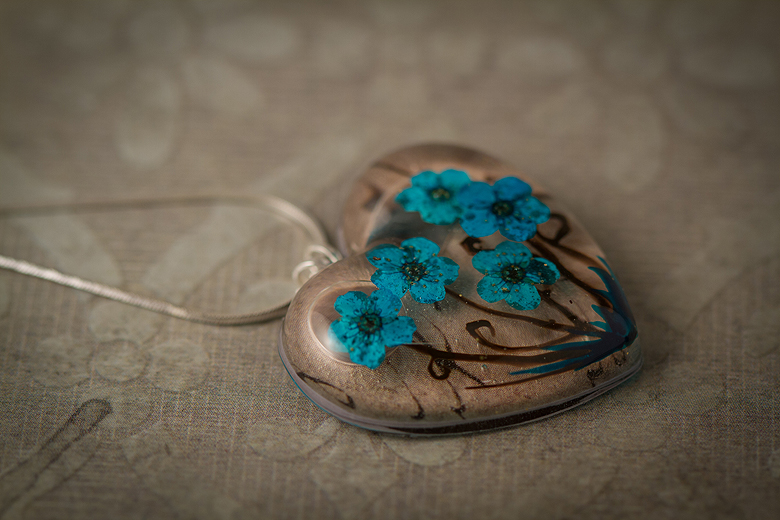
• Every time I start thinking that I might just be getting bored of resin, I remember that it’s not the resin that thrills me – it’s the stuff that goes into it. My personal projects have always been focused on preserving and using organic material in my work – something my book strongly focuses on. It’s the only resin book (that I’ve been able to find) that really covers how to preserve flowers so that the colours stay vibrant for your pieces and can be counted on to last that way forever – no longer just a handmade item, but a unique, heirloom piece.

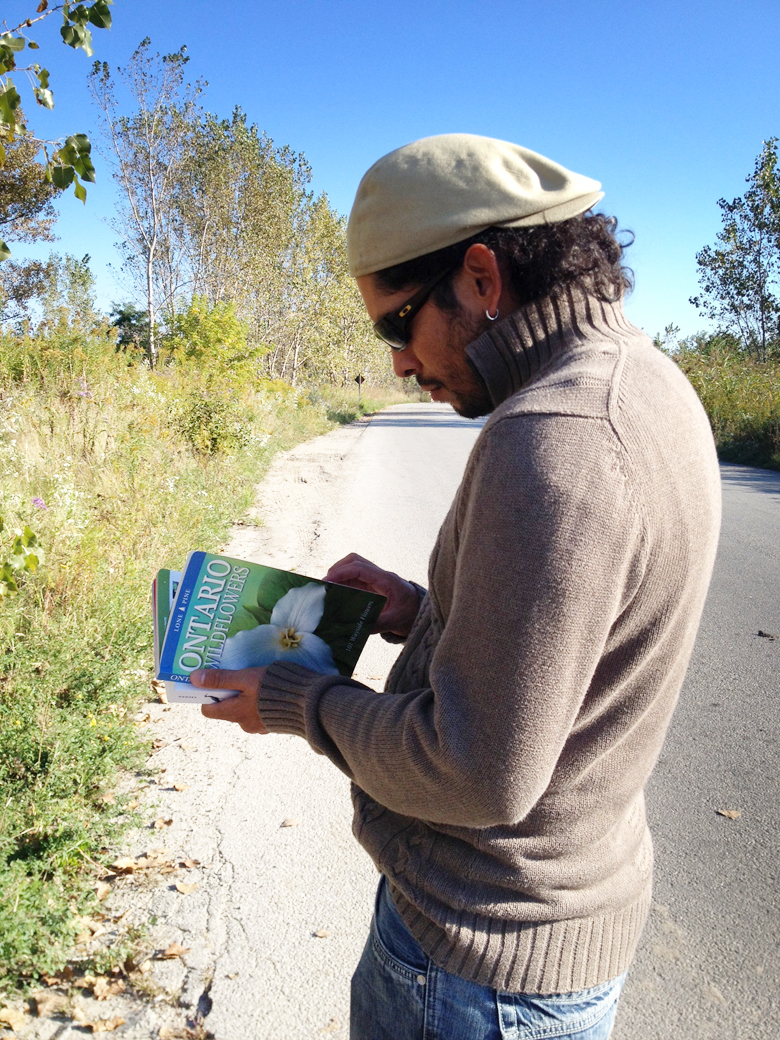
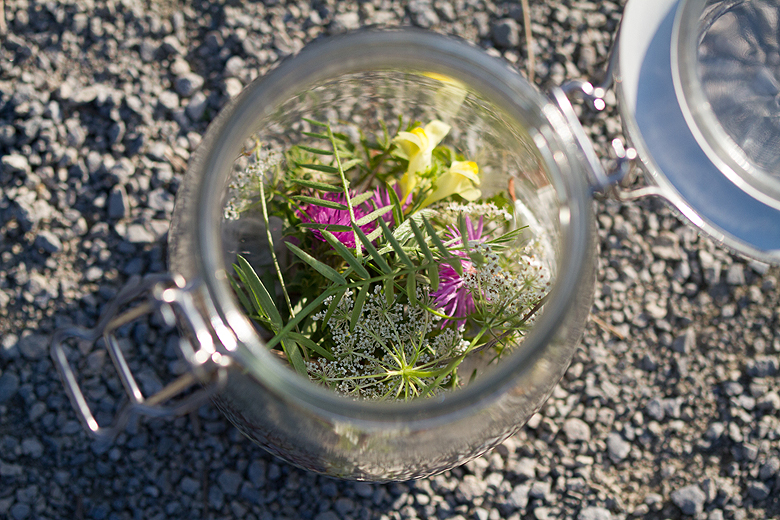
    When I go ‘harvesting’ for new material, I always go with my trusty pocket pruning shears, a bunch of small, circular containers so I can keep track of what I’ve got (and keep the flowers protected), and a copy of ‘Ontario Wildflowers’ to help me ID what I’m looking at, and learn whether or not it’s advisable to pick some.

    Resin Jewelry ©Shireen Nadir 2013

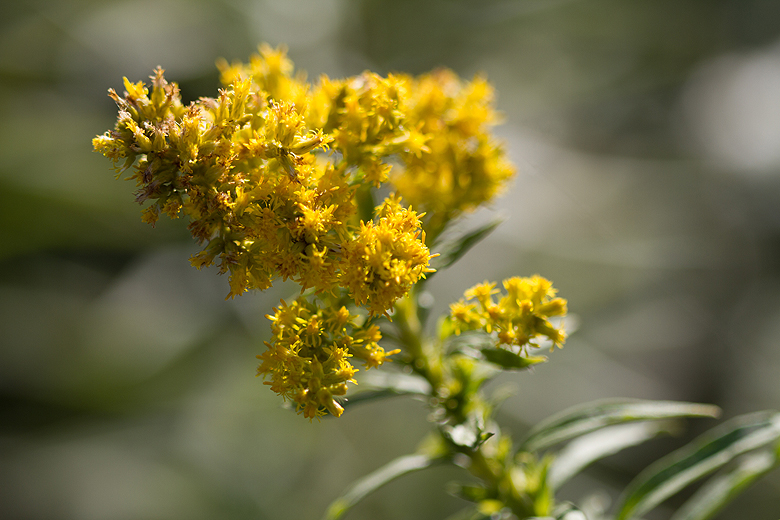
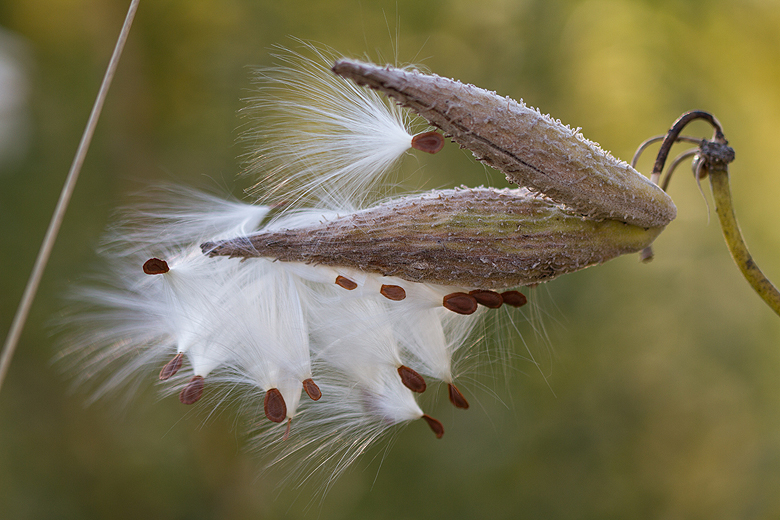
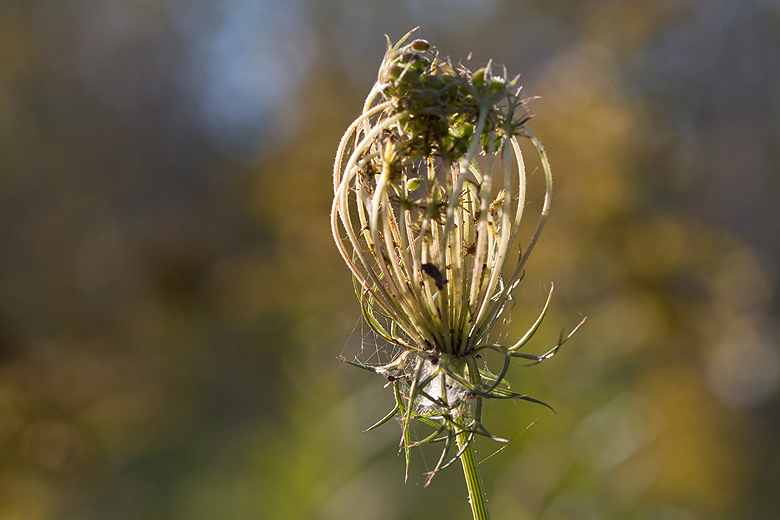
    The end of one of these sessions always leaves me with a beautiful collection of plants and flowers to inspire me – I feel like I have the most beautiful paint palette imaginable from which to make my jewellery.

    Resin Jewelry ©Shireen Nadir 2013

    Here are some of the lovely things that came out of that day. All of these were done using the fantastic quality molds from Agata at Resin Sun.

    Resin Jewelry ©Shireen Nadir 2013

    Resin Jewelry ©Shireen Nadir 2013

    Resin Jewelry ©Shireen Nadir 2013

    Resin Jewelry ©Shireen Nadir 2013

    Resin Jewelry ©Shireen Nadir 2013

    Resin Jewelry ©Shireen Nadir 2013

    Resin Jewelry ©Shireen Nadir 2013

    Resin Jewelry ©Shireen Nadir 2013

  • For the Friday Shiny I’ve got some serious eye candy today. I’ve discovered the moulds of Agata Piotrowska, owner of the Etsy shop Resin Sun.

    Resin Jewelry ©Shireen Nadir 2013

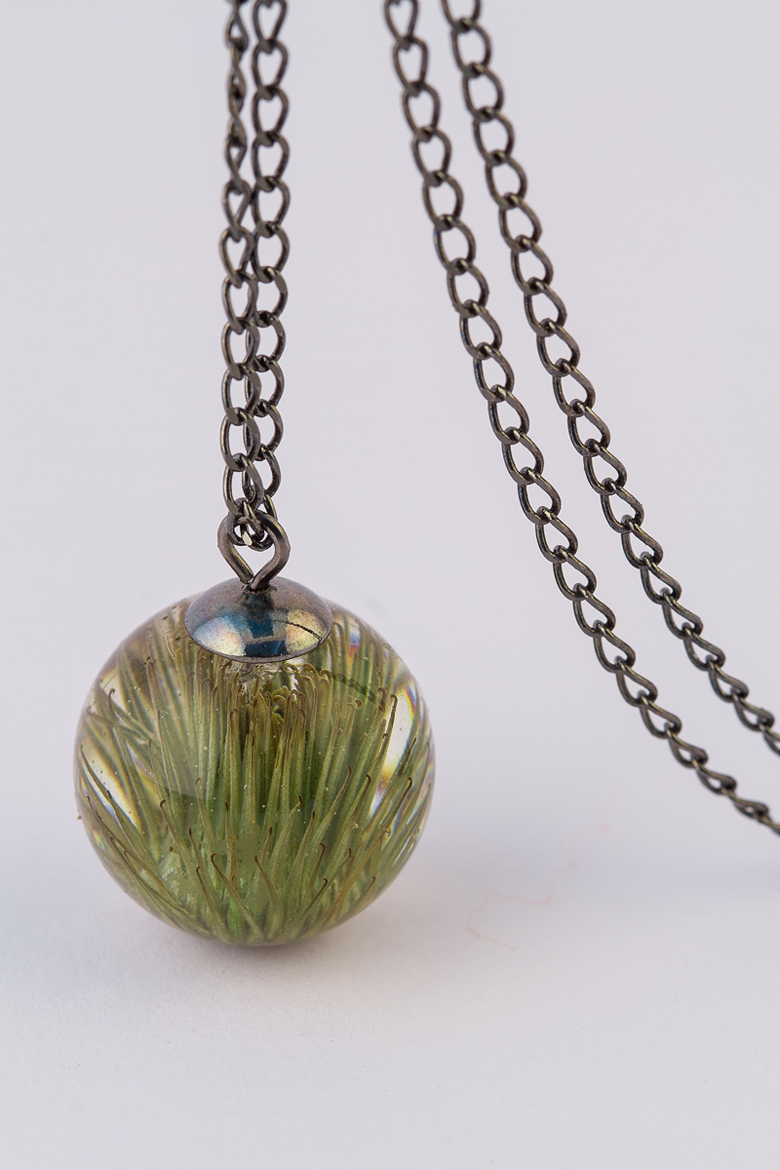
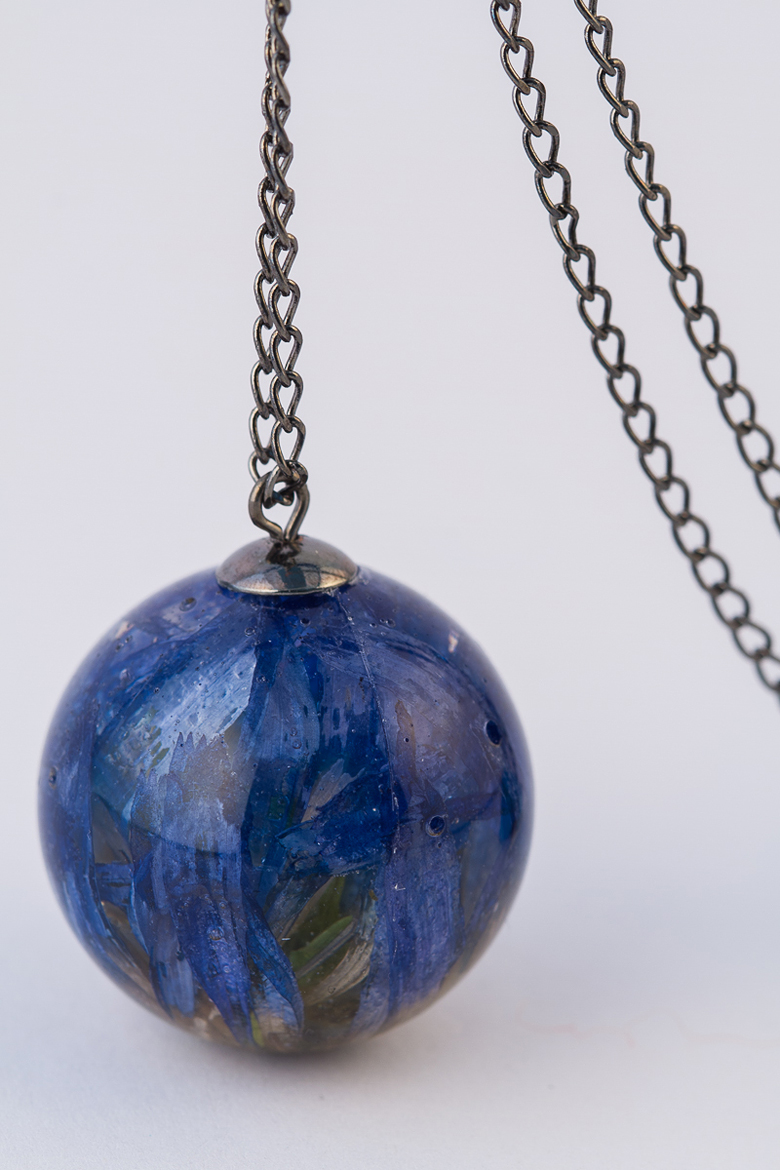
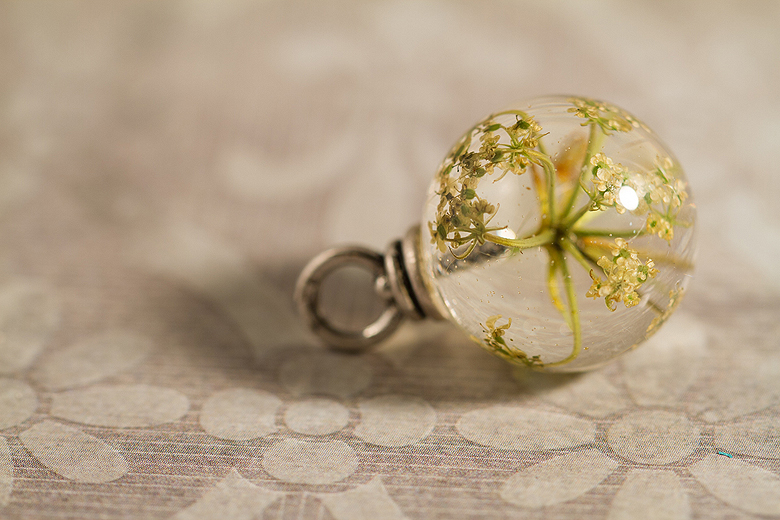
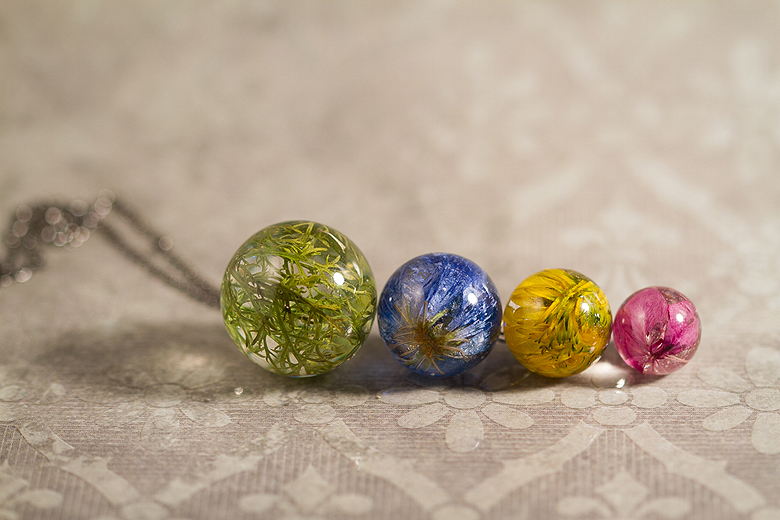
    Agata makes dimensional moulds – that is to say that instead of pouring the resin into a flat bezel, or even pouring it into a silicone mould, you pour the resin into a 3 dimensional form. I have gotten throughly addicted to her spheres, and have the 14mm, 17mm, 20mm and 25mm. The moulds are beautifully crafted, and produce seamless results. You can tell she’s a perfectionist!

    Resin Jewelry ©Shireen Nadir 2013

    Just look at the lovely possibilities with a mould like this. Instead of a 2 dimensional piece you have a round thing that turns in the light and shows all sides of the material within. It’s perfect for flowers, like this blue chicory.

    Resin Jewelry ©Shireen Nadir 2013

    Agata is also sweet, accommodating and fast. She lives in Warsaw, Poland, but when I ordered my moulds they arrived incredibly quickly. I love the fact that she lives in Poland – isn’t it great that art and inspiration can travel world-wide? I have been so inspired by her work that I am adding 2 new sections to the book:

    A 6th project to produce my ‘Jungle’ pendant gives you step-by-step instructions on how to get the best results from your mould and produce the lovely piece pictured here:

    Resin Jewelry ©Shireen Nadir 2013

    And a new addition to the ‘Preserving Flowers’ chapter that teaches you how to preserve flowers while maintaining their shape – for use in dimensional moulds such as these, cubes, bangles and more!

    Resin Jewelry ©Shireen Nadir 2013

    Folks who have already bought the book will receive the update free of charge, but if you’re inspired to get started and you don’t have the book yet you can check it out here and get your skills underway. The updated version will be ready by the end of the month.

    Resin Jewelry ©Shireen Nadir 2013

    Thank you Agata, for inspiring me to take my book further, for producing such beautiful moulds, and for being so wonderful to work with. I can’t wait to try the rest of her work!

  • During the day I’m the art director/photographer for a tiny, busy, design and communications firm (read: advertising). One of my favourite gigs is aerial photography. I’ve done a lot of aerial work and, though it’s not for the faint of heart, aerials are definitely some of the most rewarding moments in my job. It almost makes up for not being at home pouring resin ;)

    These shots are from this evening, taken during a gorgeous sunset, in beautiful downtown Montréal.

    ©Shireen Nadir, AKA Communication Associates, 2013

    ©Shireen Nadir, AKA Communication Associates, 2013

    ©Shireen Nadir, AKA Communication Associates, 2013

    ©Shireen Nadir, AKA Communication Associates, 2013

    IMG_9346

    IMG_9383

    IMG_8717

    IMG_9239

  • How to resin an image

    I remember being in an art gallery in Montreal and looking at paintings that had a shiny, hard, glossy surface to them–they looked almost candy-coated–and the colours were so vibrant and beautiful. I kept wondering ‘how the heck did they do that?’.

    For years I bemused employees at art stores with questions like ‘how do you candy coat a painting?’ only to end up with things like Mod Podge and Arcylic gloss coatings – none of which were the right thing.

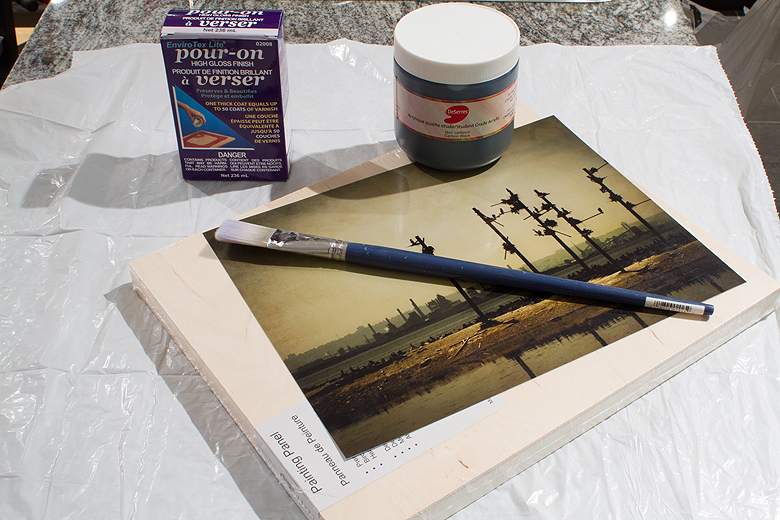
    Of course, now that my head is immersed in resin I realized that resin is the answer. I bought a package of Envirotex Lite Pour On High Gloss Finish and decided to apply it to one of my photos. In case any of you have been wondering, as I was, how this effect is achieved – read on!

    I bought the resin, a wooden canvas that was larger than my photo, Elmers glue, black acrylic paint and a large paintbrush. For those of you interested, my print is a photo I took of the cormorants under the Burlington Skyway, aiming towards the Hamilton Steel Mills. The print was done at Pikto in the Distillery District, and is printed to Kodak Metallic.

    How to resin an image

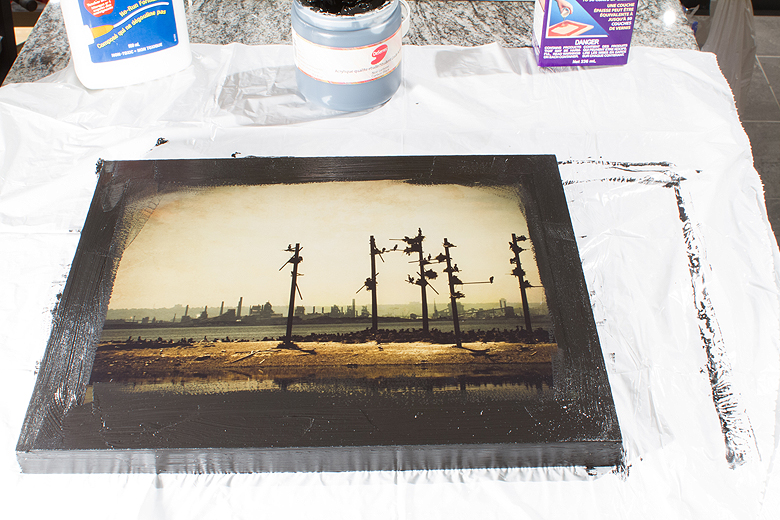
    First I laid down some plastic to protect my surface from both the glue and the resin. I also took this opportunity to place a level on the surface and make sure it was totally flat–this matters when you’re pouring the resin! Next, I applied a thin coat of the glue. I didn’t need to be very neat about this bit.

    How to resin an image

    I stuck my photo down onto the board, making sure that it was reasonably straight.

    How to resin an image

    I started painting in the edges, and all 4 sides of the canvas, with the black acrylic paint. I wanted a messy look that would compliment the photo, so I allowed myself to go over the edges of my photo with rough brush strokes for that industrial look. I let this dry for a few hours.

    How to resin an image

    How to resin an image

    Next I mixed up the resin. I followed the instructions carefully because I’ve had plenty of experience with what happens when resin isn’t mixed right! After that I ignored the instructions and treated it just like I do jewellery resin.

    I used a stir stick to outline the sides of the canvas first–allowing the natural tendency towards surface tension to give me a little ‘dome’ at the edges. Then I started gently pouring resin in the middle, using a stir stick to move it outwards towards the edges. Do not be intimidated by this step, it’s much easier than it sounds.

    How to resin an image

    How to resin an image

    Lastly, I used a hair dryer to pop any bubbles in the piece and to smooth out my application. I used a pin for stubborn bubbles. When I was happy I covered the piece with a box to protect it from dust and left it for a few days.

    How to resin an image

    How to resin an image

    The metallic looks great behind the resin and the treatment compliments the photo perfectly! It’s so glossy you can see my reflection and the colours are perfect. An acrylic face-mount can cost over $100, even for a small print, this whole process was $14 and I love the result!

    How to resin an image

    How to resin an image

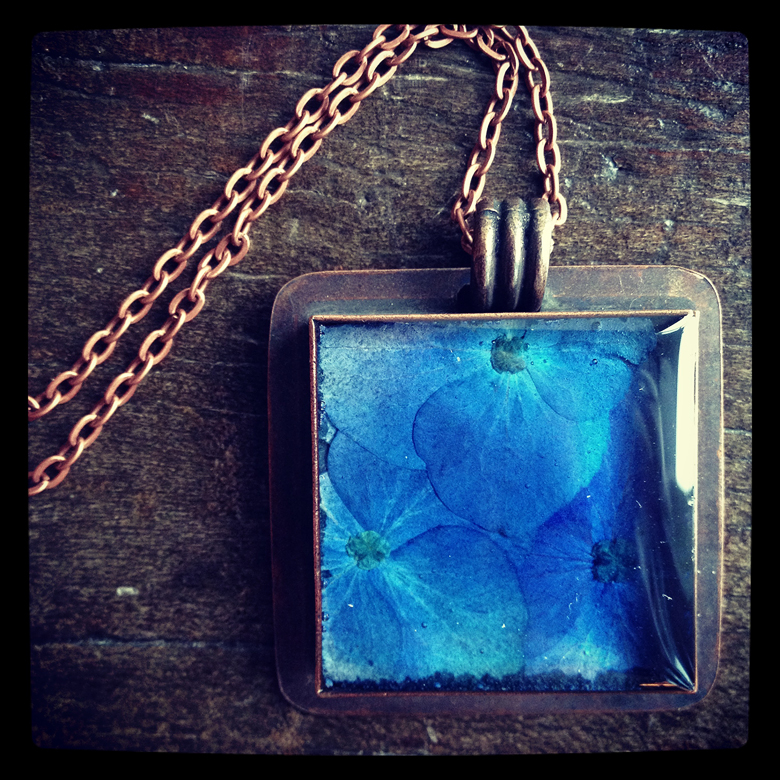
  • Deep blue hydrangea petals in a large antique copper bezel = love

    Resin Jewelry

  • I wanted to create a series of jewellery pieces themed around Ontario wildflowers. It’s that time of year where even the scrubby stuff on the side of the highway is a riot of colour; goldenrod, chicory, loosestrife, new England astor and the unromantically named cow vetch.

    One of the best places in the city to collect these lovelies is the Leslie Street Spit. Armed with our guide books on Ontario Wildflowers and Ontario Bird Watching, Tito and I spent a few happy hours wandering around collecting lovely things to resin. Here are some pics of the day – I’ve already created a lovely piece with blue chicory holding it’s colour perfectly, pics coming soon!

    photo

    IMG_8045

    IMG_8047

    IMG_8073

    IMG_8085

    IMG_8039

    IMG_8096

  • So many lovelies for my resin adventures. I’m trying to put together a resin display (with lights and everything!) of Ontario wildflowers. Stay tuned for photos of how I did!

    Ontario Wildflowers

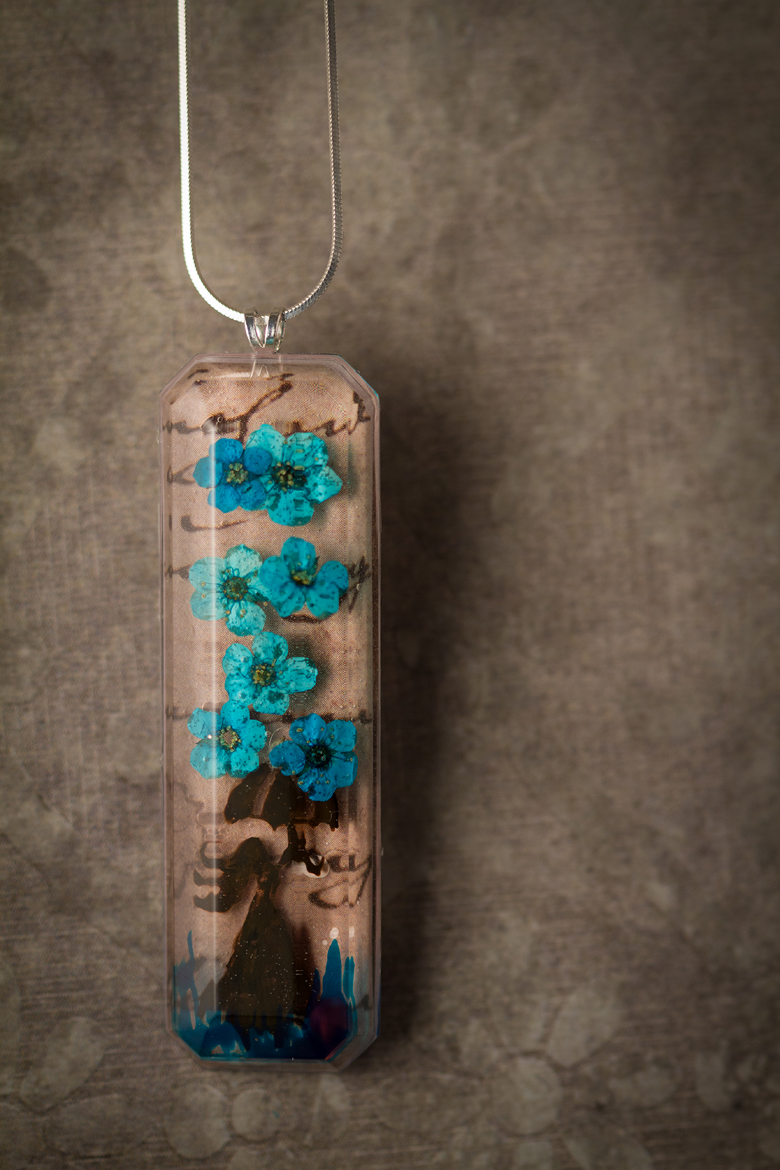
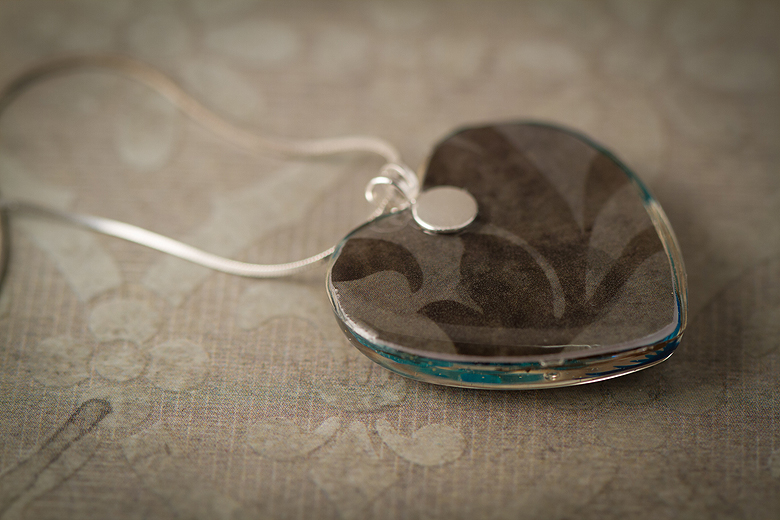
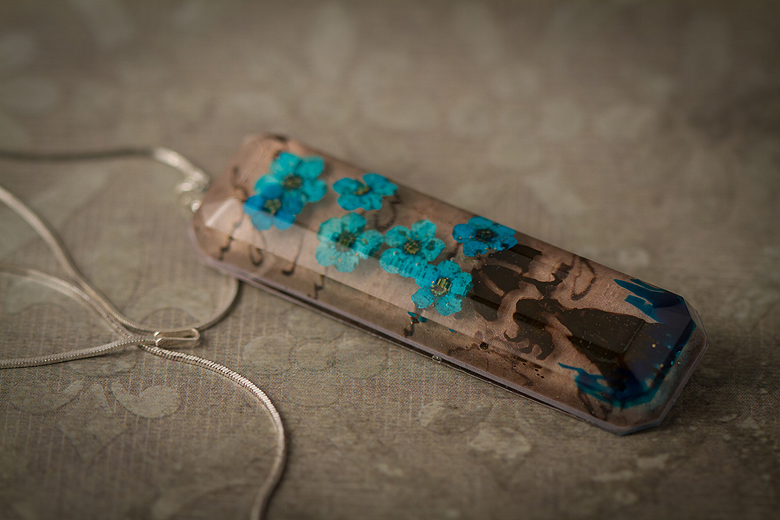
  • These 2 pieces are, out of all the resin I’ve done, the closest to my personality. They took a lot of layers, but they are totally worth it!

    Romantic Resin

    Romantic Resin

    Each piece used the same basic construction –

    • I poured resin into a silicone mold and added my flowers first.
    • After that layer cured, I added another layer, with nothing in it.
    • A third layer was the one that held the little girl with the umbrella, and the ‘tree branches’ in the heart–these were achieved by lightly brushing on the drawing using acrylic inks, after the resin had cured.
    • I let the ink dry and then poured a fourth layer.
    • I cut out 2 pieces of craft paper, shaped to each mold and put them back to back. On my 5th pour I inserted the paper into the mold to seal off the piece, and also to decorate the back.
    • Finally, after the piece was completely cured, I popped it out of the mold and glued a bail on the back. I added one last, careful coat of resin to make sure the bail was completely sealed.
    • The very last stage is to hand-sand the sides, to take off any rough edges so it’s ready to wear.

    Romantic Resin

    Romantic Resin

    And there you have it, labour-intensive, but worth it! Check out my e-book Resin Jewelry for more information, step-by-step photos, resin projects and more!

    Romantic Resin

    Romantic Resin

  • I know you guys have patiently sat through an awful lot of posts about Resin Jewelry – so it’s time for a triumphant return to knitting. And where better to start than with a free pattern?

    Bev Cowl

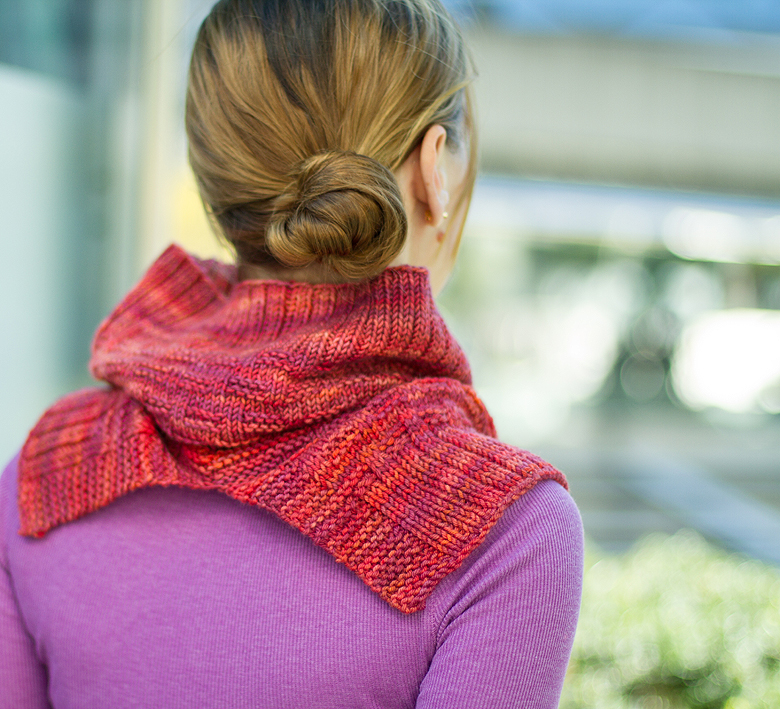
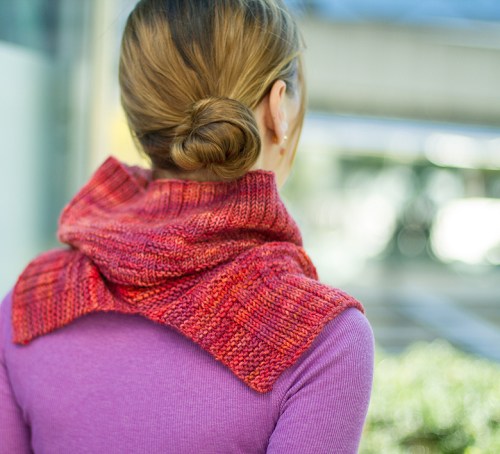
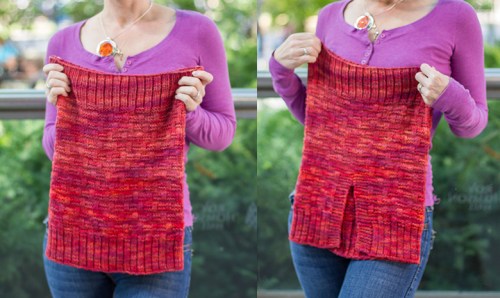
    The Bev Cowl uses 200g of worsted weight yarn to created the comfiest, squishiest easiest-to-wear cowl ever.

    Bev Cowl

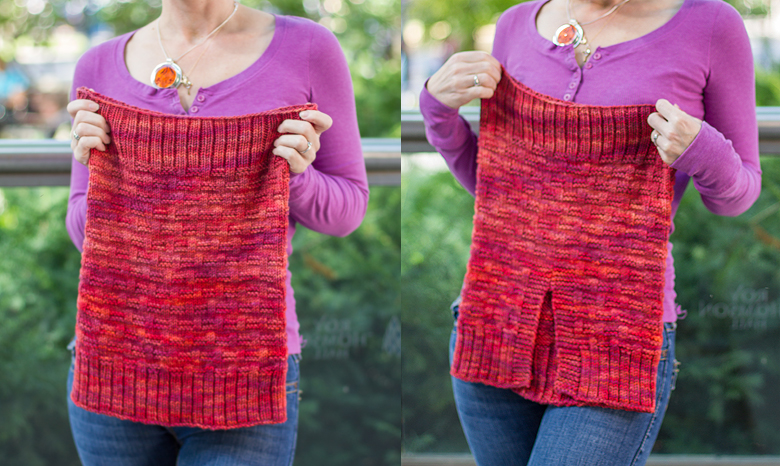
    I had a few design goals for this cowl. I wanted it to be versatile – warm in the winter and loose for the transitional seasons. I wanted to fit flatteringly around the neck, and not feel like I was wearing a lot of fabric that draped in the front, but didn’t actually cover my chest. Finally, I wanted it to sit well under a jacket, without a ton of fabric bulking up the back of the neck.
    Bev Cowl

    The Bev has a clever little split in the back, that helps me achieve all of these things. It’s knit in the round for most for the cowl, and then back and forth for the last third or so. The sewn bind-off means that the bottom of the cowl is loose – to cover your chest and shape itself to your body so it’s not like wearing a tube. Best of all, on 5mm needles this baby can be worked up quickly – because winter is coming!
    IMG_6926

    Bev Cowl

    Here are the instructions – it’s super simple, and mindless. If you really want something special, switch the yarn from Green label to Orange Label Cashmere/Silk – you’ll never take it off!

    The Bev Cowl

    Gauge: 18 stitches = 4 inches in stockinette

    You will need:

    • 2 skeins Tanis Fiber Arts Green or Orange Label. Sample shown in ‘Sunset’
    • 5mm, 24″ circular knitting needles, or size needed to obtain gauge
    • Tapestry needle for sewn bind-off and weaving in ends
    • 3 Stitch Markers

    C/o 120 stitches, place marker and join for working in the round, being careful not to twist your stitches.

    Ribbed Section: 
    Row 1 – 20: *k2, p1* repeat from * to end

    Begin patterned stitch:
    Row 1: *k2, p4* repeat to end
    Row 2: k to end
    Row 3: *k2, p4* repeat to end
    Row 4 – 6: k to end
    Row 7: *p4, k2* repeat to end
    Row 8: k to end
    Row 9: *p4, k2* repeat to end
    Row 10-12: k to end

    Repeat rows 1 -12 four times

    Prepare for split section:
    Row 1: p6, pm *k2, p4* repeat to last 6 stitches, pm, p6
    Row 2: k6, sm, k to marker, sm, k6
    Row 3: p6, sm *k2, p4* repeat to marker, sm, p6
    Row 4: k6, sm, k to marker, sm, k6
    Row 5: p6, sm, k to marker, sm, p6
    Row 6: k6, sm, k to marker, sm, k6
    Row 7: p6, sm *p4, k2* repeat to marker, sm, p6
    Row 8: k6, sm, k to marker, sm, k6
    Row 9: p6, sm *p4, k2* repeat to marker, sm, p6
    Row 10: k6, sm, k to marker, sm, k6
    Row 11: p6, sm, k to marker, sm, p6
    Row 12: k6, sm, k to marker, sm, k6

    Split section (you will now switch from working in the round to working back and forth, keeping the 6 stitches of garter stitch on both sides of the split. At the end of every row, turn your work.)

    Row 1: p6, sm *k2, p4* repeat to last 6 stitches, sm, p6
    Row 2: p6, sm, p to marker, sm, p6
    Row 3: p6, sm *k2, p4* repeat to marker, sm, p6
    Row 4: p6, sm, p to marker, sm, p6
    Row 5: p6, sm, k to marker, sm, p6
    Row 6: p6, sm, p to marker, sm, p6
    Row 7: p6, sm *p4, k2* repeat to marker, sm, p6
    Row 8: p6, sm, p to marker, sm, p6
    Row 9: p6, sm *p4, k2* repeat to marker, sm, p6
    Row 10: p6, sm, p to marker, sm, p6
    Row 11: p6, sm, k to marker, sm, p6
    Row 12: p6, sm, p to marker, sm, p6

    Repeat rows 1-12 twice and then rows 1-9 once more

    Re-establish ribbed section:
    Row 1 (WS): p6, sm, *p2, k1* repeat from * to marker, sm, p6
    Row 2: p6, sm, *p1, k2* repeat from * to marker, sm, p6

    Repeat rows 1 & 2 eighteen more times (20 rows of ribbing)

    Bind off using Elizabeth Zimmerman’s sewn bind-off. I recommend sticking with this bind-off to make sure the cowl fit correctly at the bottom.

    Wet-block, weave in your ends and rock it on super chilly days!

    Ravelry project page here.

  • Resin Jewelry

    So I finally gave Resin Jewelry a permanent home on my blog. You can read about the book, review the table of contents, see photos of lovely things I’ve made, and read testimonials from folks who’ve purchase the book here.

    If you’re not quite ready to give it a try but you want to follow my creative journey in resin, you can also show the book some Pinterest love here.
    It’s been a crazy week :) I’m happy and grateful that the book has been so well received. To continue my personal resin adventure I’ll be starting the ‘Friday Shiny’ on the blog – where every Friday I’ll showcase a new resin project, to get your imaginations fired up and show how the same skills can be applied to fridge magnets, wine glass markers and Christmas tree ornaments.  I’m pretty excited about it :)

    In the long term my goal is to expand ‘Resin Jewelry’ beyond it’s 40 pages into a full-sized book in the 100-120 page range, and then try to escape the self-publishing world in favour of having an actual publisher. The adventure continues!