
I’m not just a photographer as a hobbyist, I’m a legit, professional, award-winning, certified BIG DEAL. S’true. I had a job job before I left it all to chase string.
I love my camera. I’ve photographed people, landscapes, aerials, potraits, weddings, and lots of yarn. I built The Blue Brick, in a way, to give a vehicle to my photography; I had such an archive of colour that I wanted to share. If you’re new here, every yarn I sell is based off a photo that I have taken. No stock photography, no AI, no excessive editing, just nature’s colours.
My favourite type of shot, out all of all of them, is when I have a chance to catch something fleeting, to freeze a moment that will never be there again, to hold it in a perfect memory made solid. These are some of my faves over the years :)
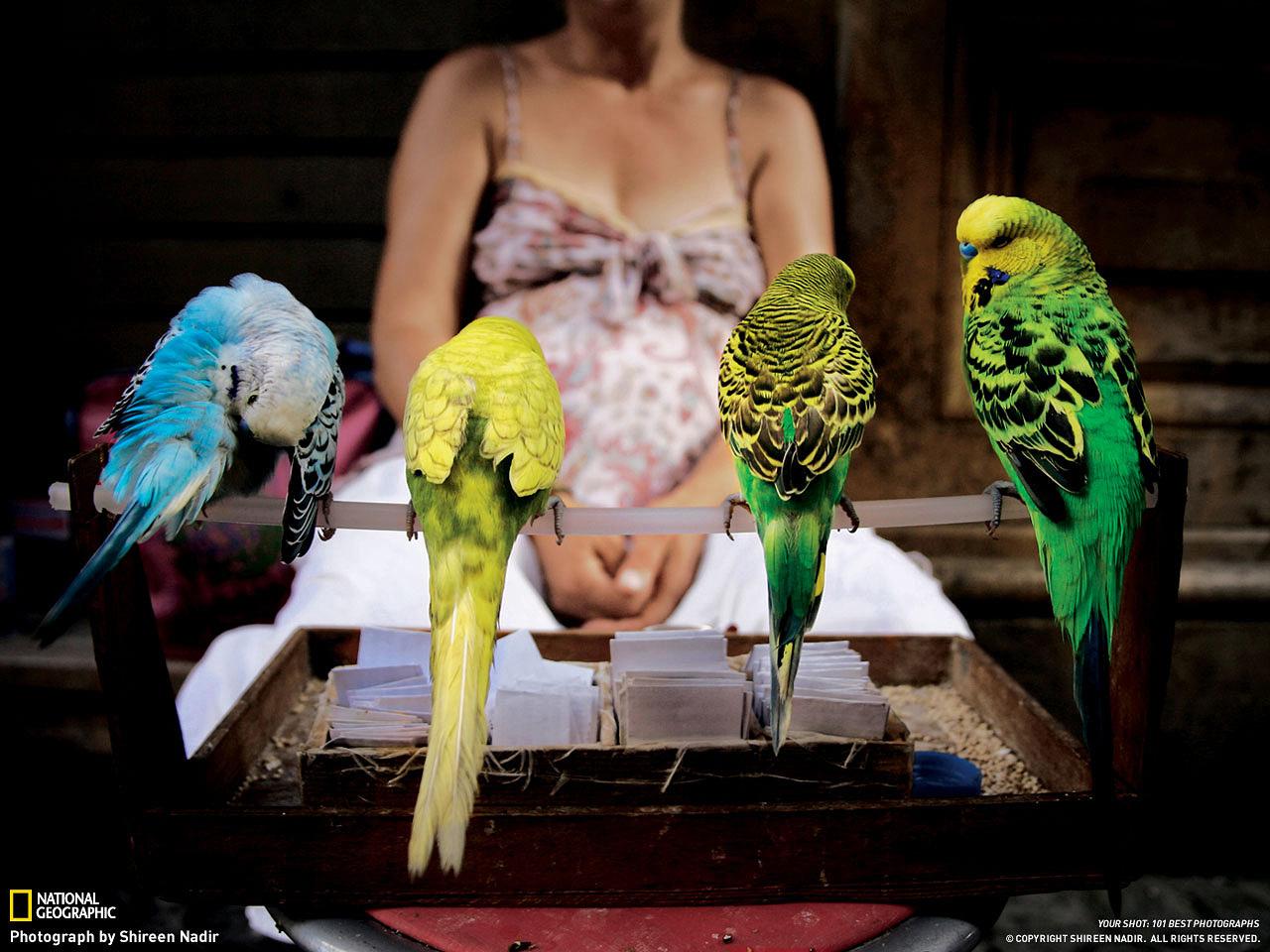
I took this photo in Rome, on one of the many side streets that you can get lost in. There was a lady with her budgies, and those little pieces of paper in front of her are fortunes. For change, she’ll give you a fortune. Mine was some generic stuff about when I’d marry, and how many children I’d have (both wrong) but I’ll treasure the photo forever! When Nat Geo wanted to publish it, I got the email on April 1st. Took me 2 days (and more emails) to believe it wasn’t a prank. A dream come true.
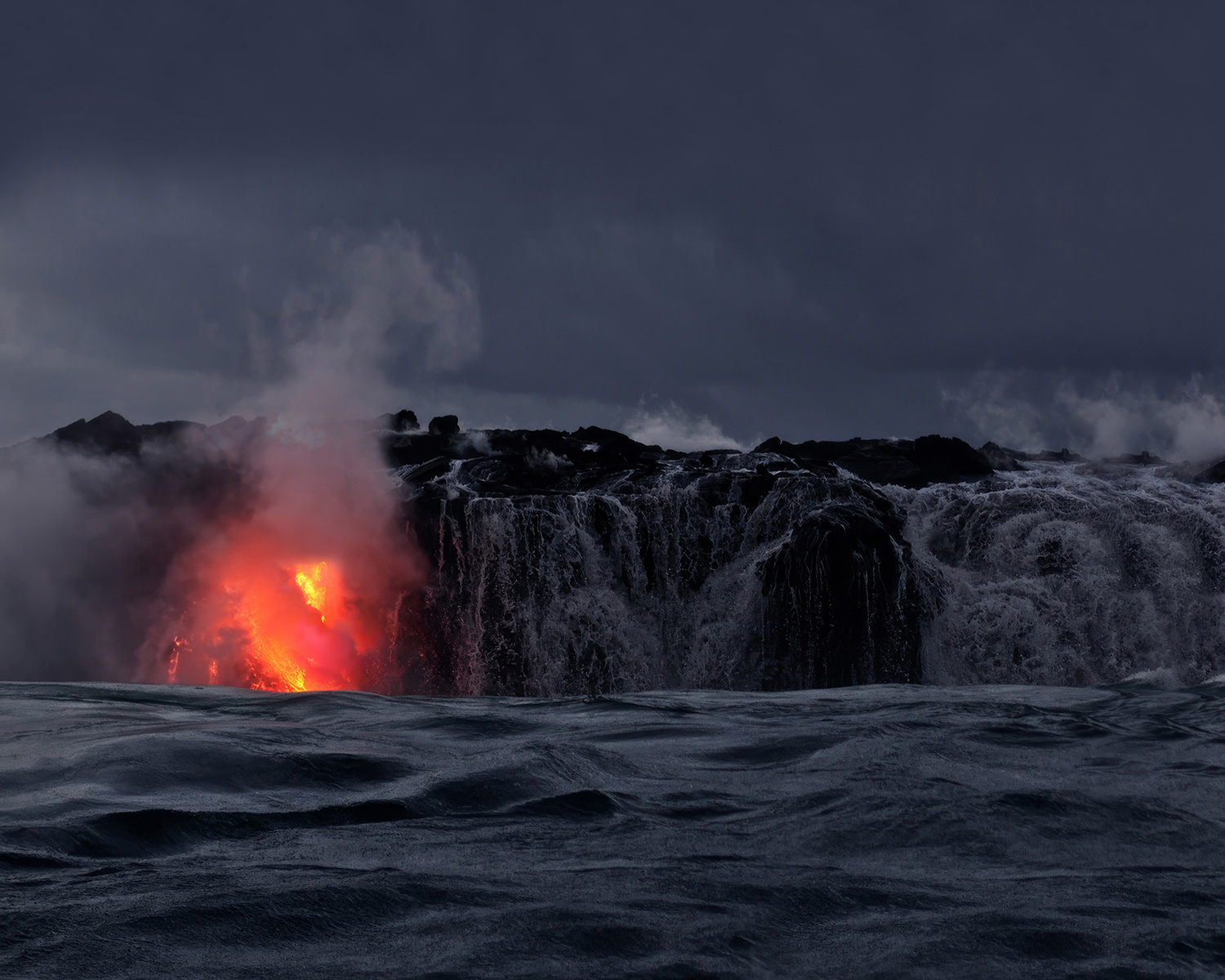
When you go to Hawaii to see Kilauea, you need to be flexible. Sometimes the lava is only visible from land. Sometimes only from a helicopter. On this trip, it was only visible from the sea. The waves were rough, and shooting was hard, because you’d ride a big wave, see the lava for a second, and then crash down into the trough. That wave would go on to crash against the cliffs, and the lava would send up a big head of steam that would make seeing impossible again. I had to time it perfectly, after one big wave had receded, and while I was still on the crest of the following one. Here is the result.
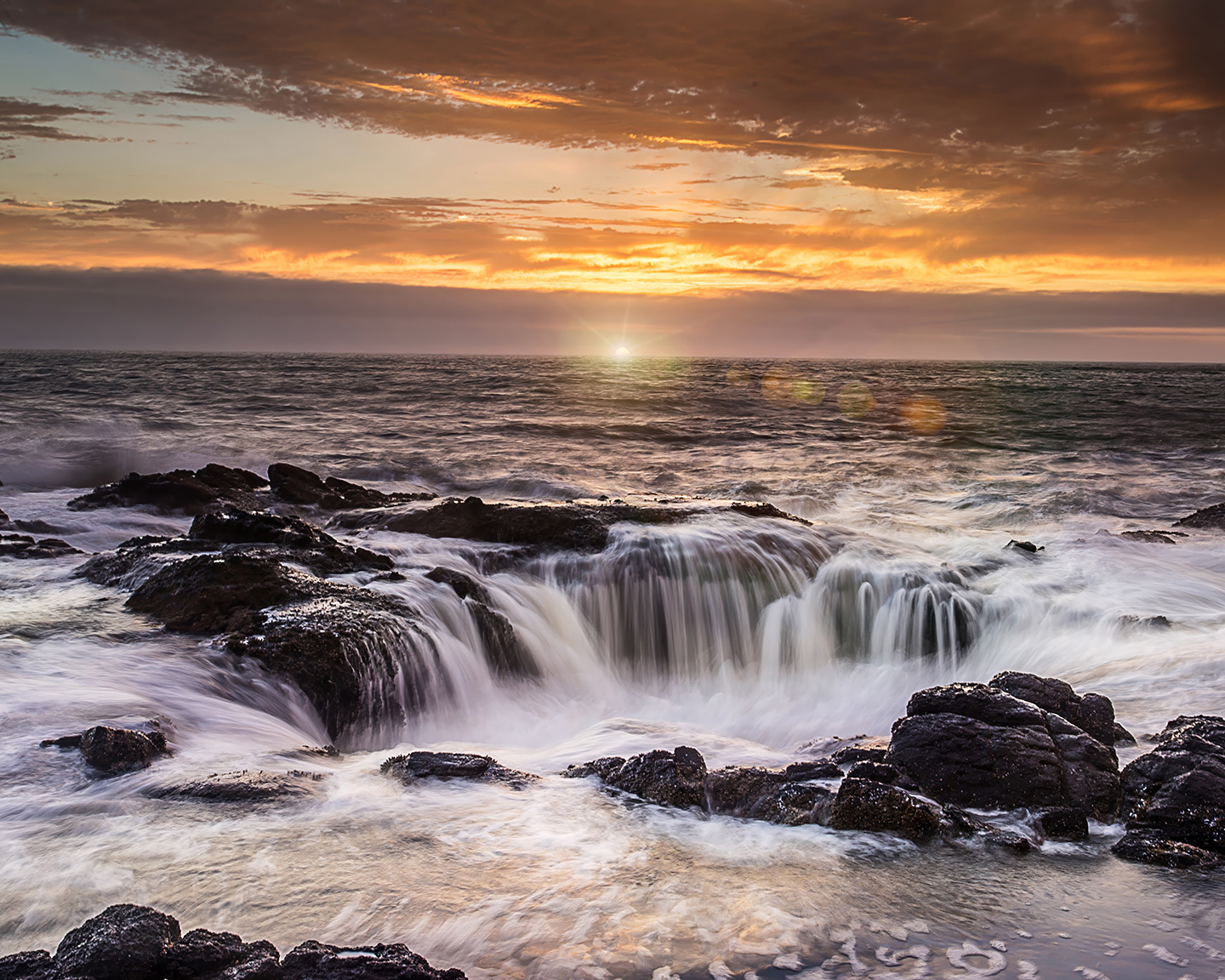
This ocean formation is a sinkhole called Thor’s Well, in Cape Perpetua, Oregon. Like so many photos, this one takes patience and timing. The tide must be in, and you must be safely situated close to the sinkhole, but braced by the (sharp!) volcanic rocks so you don’t get pulled forward. There is a hole that we cannot see, below the cliff face. A big wave rolls in, geysers out of the sinkhole, and then flows back down. I’m using a long exposure to smooth out those waves. It takes a million shots sometimes, but this was the winner.
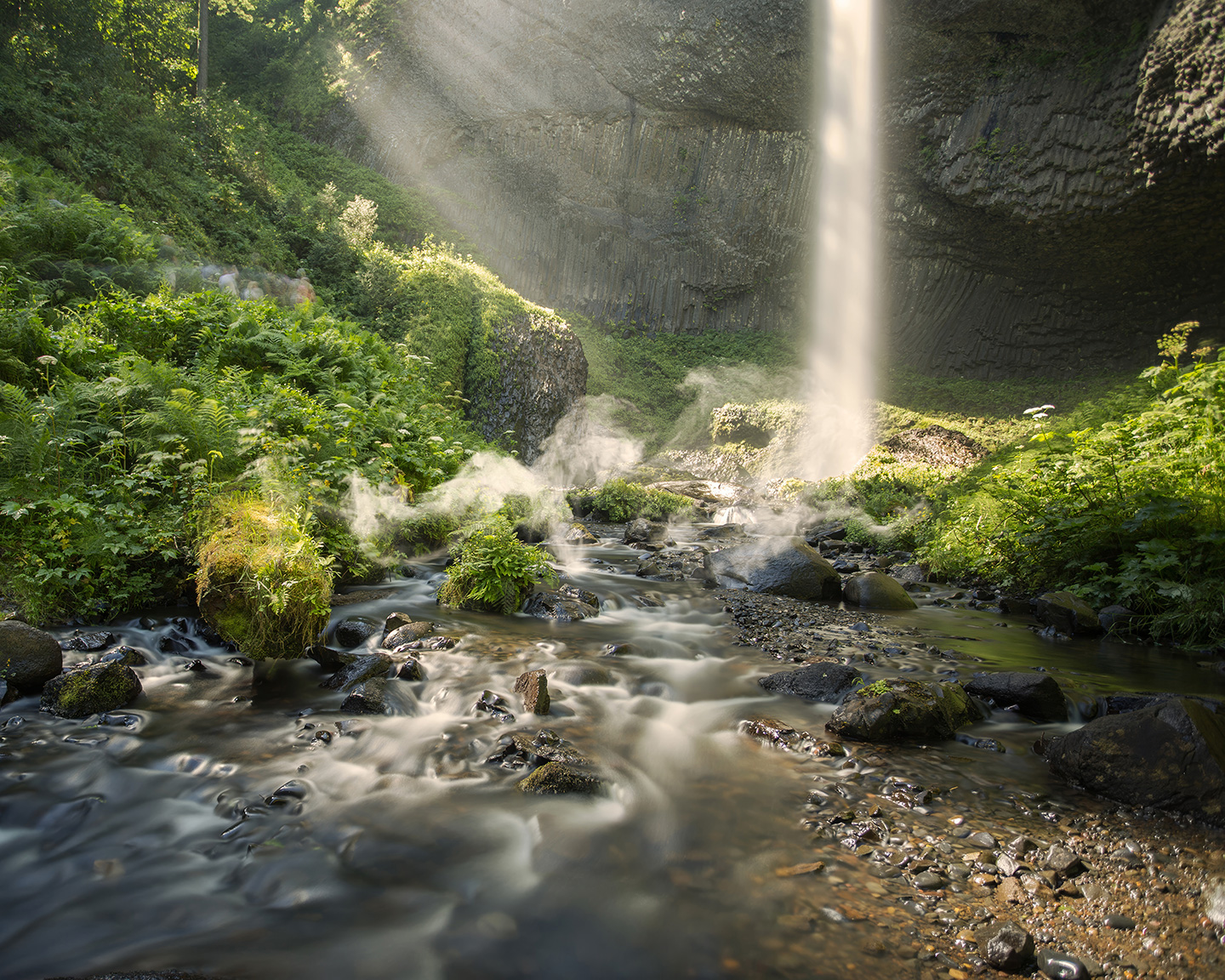
Multnomah Falls is also in Oregon, and though the classic image of these gorgeous falls includes the bridge across the middle, I decided to climb down to the bottom. Here, the waterfall is little more than a narrow, misty column, lit from without by the sunlight falling into the valley. I managed to catch it before the sun passed behind the cliff face, when that last, golden beam came in. When you catch perfect, fleeting light, it feels like nothing else.

When the last solar eclipse happened, I was totally bummed out at first; we were under heavy cloud cover. But there were these pockets of clear sky, and thinner clouds, so I set up anyways, and hoped for a “pocket” to pass over me. As it happened, during the peak of the eclipse, the sun was in a layered area of thick and thin cover. I obtained this shot by stopping the camera way down, and using a very fast shutter. I believe I also stopped down farther using a neutral density filter. The idea was to under-expose the clouds, so I could see the detail (and the thin clouds in front helped me do that). As a result, the brillance of the sun, and the “diamond ring” moment were clearly visible to the camera.
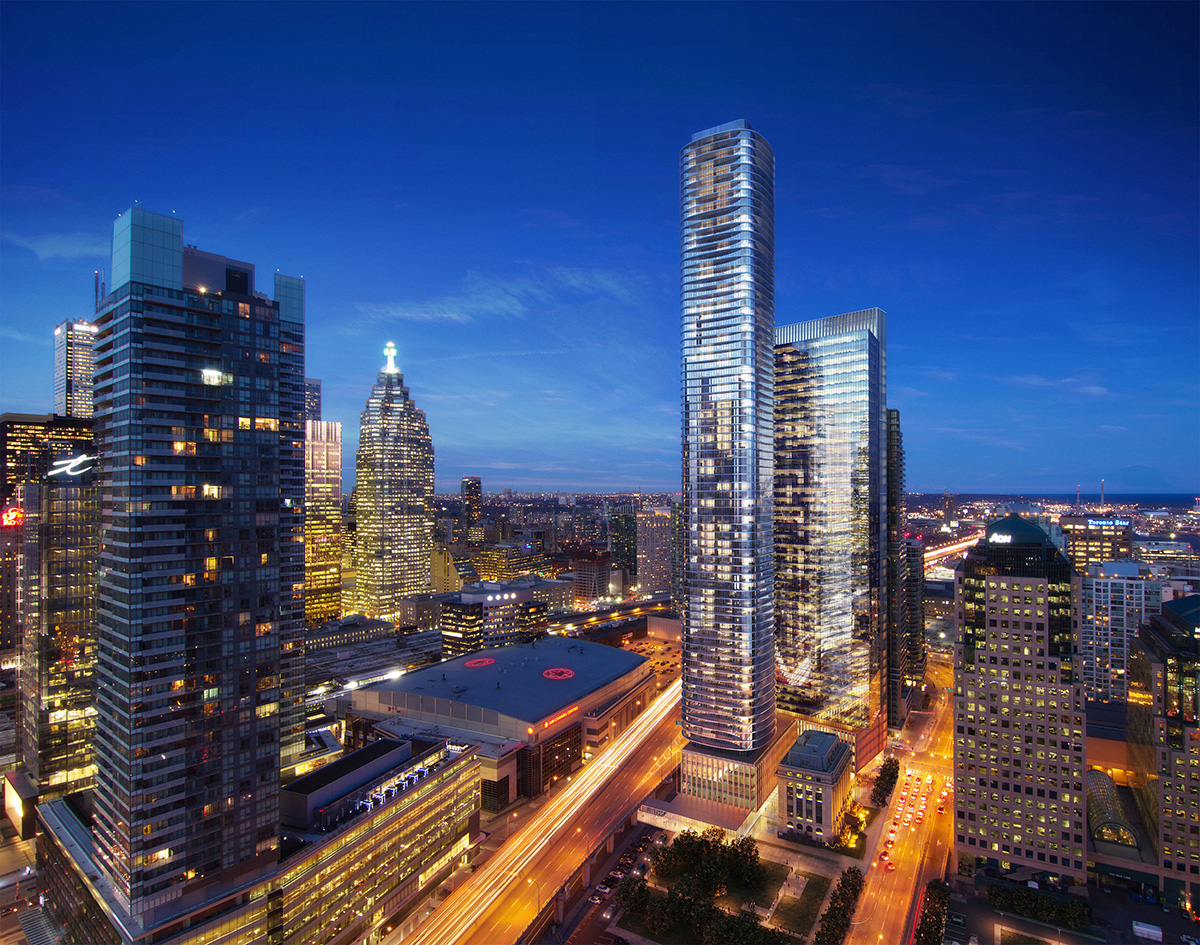
Before drones, if you wanted aerial photography, you either needed to up on a roof or into a helicopter. Aerial was one of my specialties, I have no fear of heights, and these karate arms were able to stablize the camera in the high winds of a helicopter with the doors taken off (necessary for shooting, and yes, you got very cold). I also had to be able to shoot, in low light, from a moving object, without either creating a blurry image, or an underexposed one. I had the knack.
Those buildings in the centre don’t exist by the way; I took these shots for a presentation on a possible project, and the 3D modelling team placed the buildings in. A fun detail is that, for the buildings to look correct, I also had to shoot the reflections that would be in their glass. A lot goes in to making a realistic image. It was always tricky, but always rewarding.

I’d be remiss if I didn’t mention my underwater work. Scuba diving is very relaxing, and somehow amniotic (is that a vibe? You get my drift (drift! See what I did there?!)). I’ve taken a lot of photos, but one that’s special to me is this little black saddle toby, taken in the Maldives. It’s special because this fish was about 2 inches long, and hiding in a dark little alcove and woo boy did he give me a challenge.
Underwater, all colours except blue gradually disappear (and so does light), so you need artificial lights to work with. However, you need to be delicate about it; you can’t blast light into the sensitive eyes of marine life, and you can’t touch the coral to stabilize yourself while you shoot. So, you have to have solid buoyancy control, and the lights have to be offset, and of course your critter needs to cooperate :) This was my favourite shot of the trip.
Hope you enjoyed my little photo trip! I do have so much to write about, I’ve taken up calligraphy, I’m testing for my fourth degree black belt in a few weeks… but life has been really nutty and sometimes it’s like riding the wooden rollercoaster at Wonderland. You know, that “this could fall apart under me at any moment” feeling. But that’s life, you hang on ;)

 The Blue Brick
Leave a comment